Why Your Reformer Instructor Keeps Adjusting Your Spring Tension Mid-Class
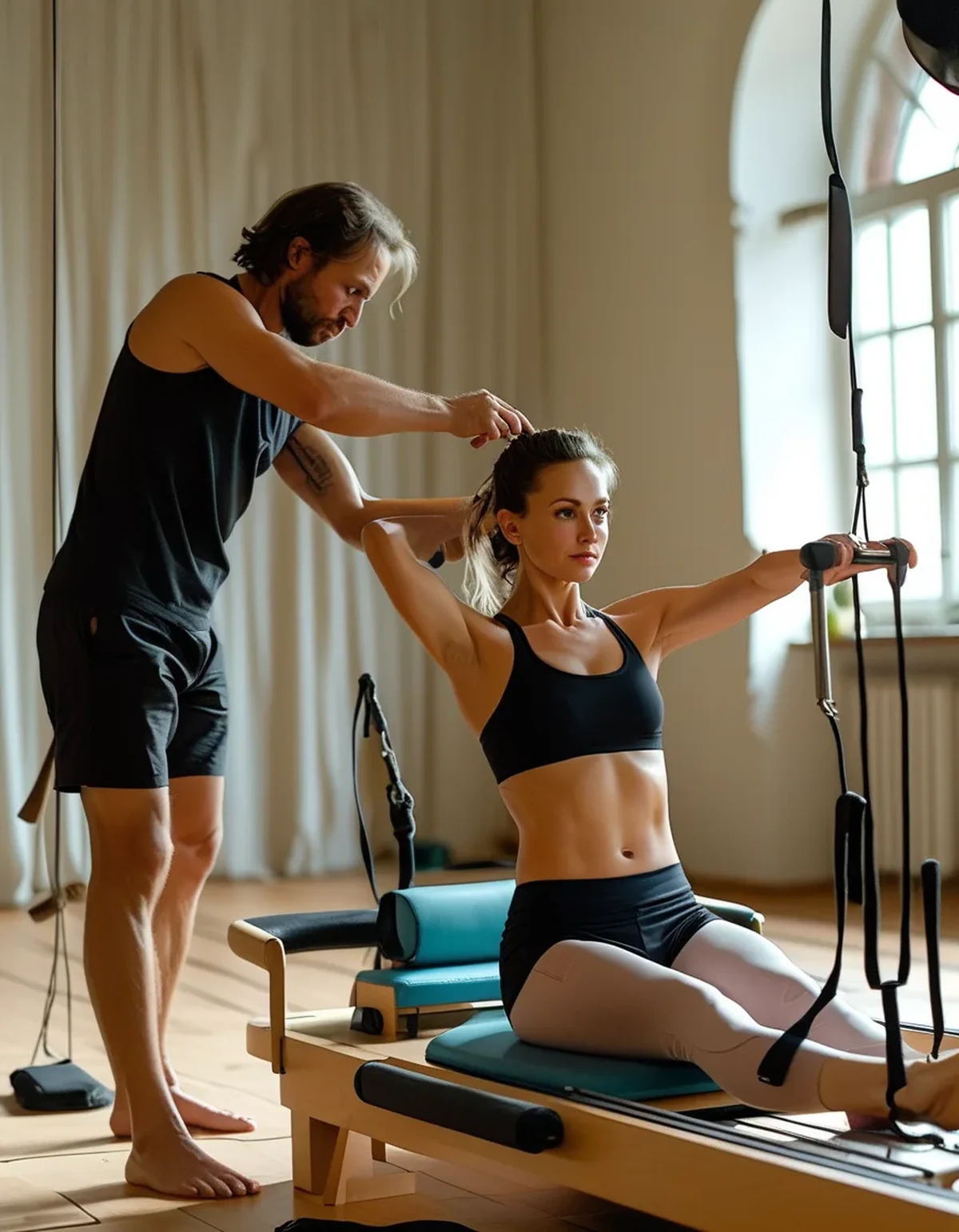
Quick Answer: Spring tension in reformer Pilates is exercise-specific, not a fixed setting for your whole session — different movements (leg work versus arm work, for example) require different resistance to load the right muscles correctly, so frequent adjustment is standard practice, not a correction of something you did wrong.
You’ve started to dread the sound of your instructor reaching for the springs again, half-convinced it means you’re too weak or too strong for what you just did.
Why does resistance need change between exercises at all?
Different muscle groups and movement patterns have very different strength capacities — your legs can generally handle far more resistance than your arms, and a stability-focused exercise often needs less spring tension than a strength-focused one so you can maintain proper form throughout the full range of motion. A single fixed spring setting for an entire class would be too heavy for some exercises and too light for others.
Is more spring tension always the goal to work toward?
No — appropriate tension depends entirely on the specific exercise’s goal. Some reformer work (deep core stabilization, certain arm sequences) is intentionally done with light springs, since the point is control and precision, not maximal resistance. Heavier springs there would encourage compensating with momentum rather than the targeted muscle engagement.
Does needing lighter springs than someone else in class mean anything about fitness level?
Not necessarily — spring needs vary by limb length, current injury history, specific muscle imbalances, and experience with the exact exercise, not just general fitness level. Two people at similar overall fitness can need meaningfully different tension on the same exercise for reasons that have nothing to do with how strong they are overall.
What Nobody Tells You About Reformer Spring Adjustments
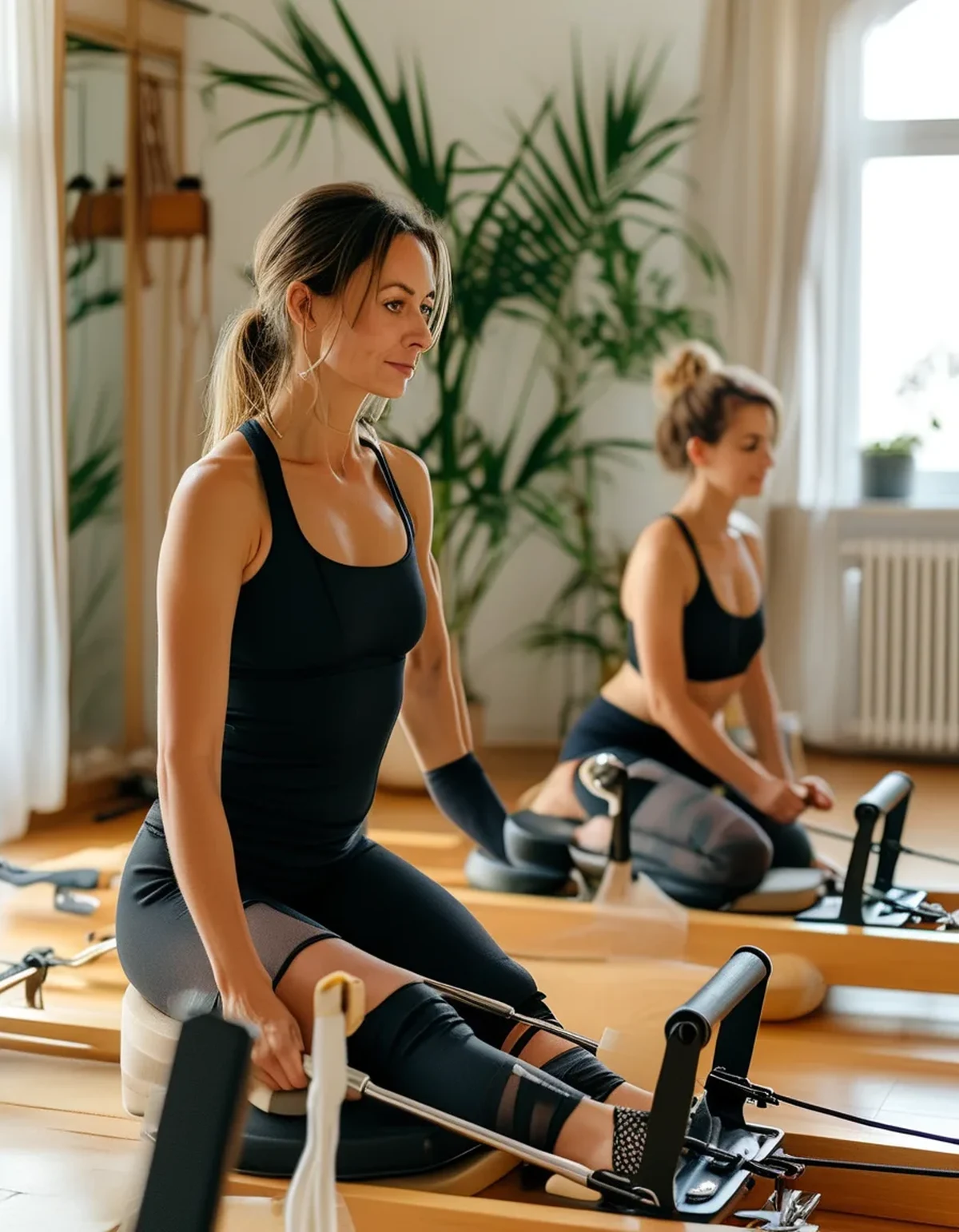
A good instructor adjusting your springs frequently is often a sign of attentive, individualized instruction, not a generic class being run the same way for everyone. Studios or instructors who set one tension and leave it for the whole class are actually doing less precise coaching, even though it can feel simpler and less disruptive in the moment.
Also underrated: your own optimal tension can change week to week based on fatigue, soreness, or where you are in your cycle — the “right” spring setting isn’t a fixed number to reach and stay at forever.
Should you ever push back if you think the tension is wrong for you?
Yes — instructors are estimating based on visual cues and general guidelines, but you have direct feedback on how a specific setting actually feels that they don’t have access to. Speaking up if something feels too easy or too hard for the intended exercise goal helps the instructor calibrate better for you specifically.
FAQ: Reformer Spring Tension Questions, Answered
Is there a standard spring setting for beginners to start with?
Most studios start beginners on lighter-to-moderate tension across most exercises to prioritize learning correct form before adding resistance.
Does spring tension relate to injury risk?
Yes — too much tension for a given exercise, especially in stability-focused work, can encourage compensatory movement patterns that increase strain risk; appropriate tension is part of injury prevention, not just difficulty.
Will I eventually need fewer spring adjustments as I get more experienced?
Somewhat — experienced practitioners often develop a better sense of their own needs and can self-adjust more, but exercise-specific tension changes remain standard practice regardless of experience level.
TL;DR:
- Spring tension is exercise-specific, not a single fixed setting for a whole session
- Lighter springs for certain exercises are intentional, not a sign of low fitness
- Optimal tension varies by individual factors, not just general strength level
- Frequent adjustment usually reflects attentive, individualized instruction
Keep Reading
This article is for general informational and styling purposes only. Fit, sizing, and product availability may vary.