Why the Same Spring Number on a Reformer Doesn't Mean the Same Resistance Everywhere
Quick Answer: Reformer spring color and number systems are set by each individual manufacturer, not a shared industry standard, meaning a “blue” or “level 2” spring on one brand’s reformer can correspond to meaningfully different actual resistance than the same label on a different manufacturer’s machine — this is why switching studios or reformer brands often means having to recalibrate spring choice by feel rather than relying on a remembered number or color from a previous machine.
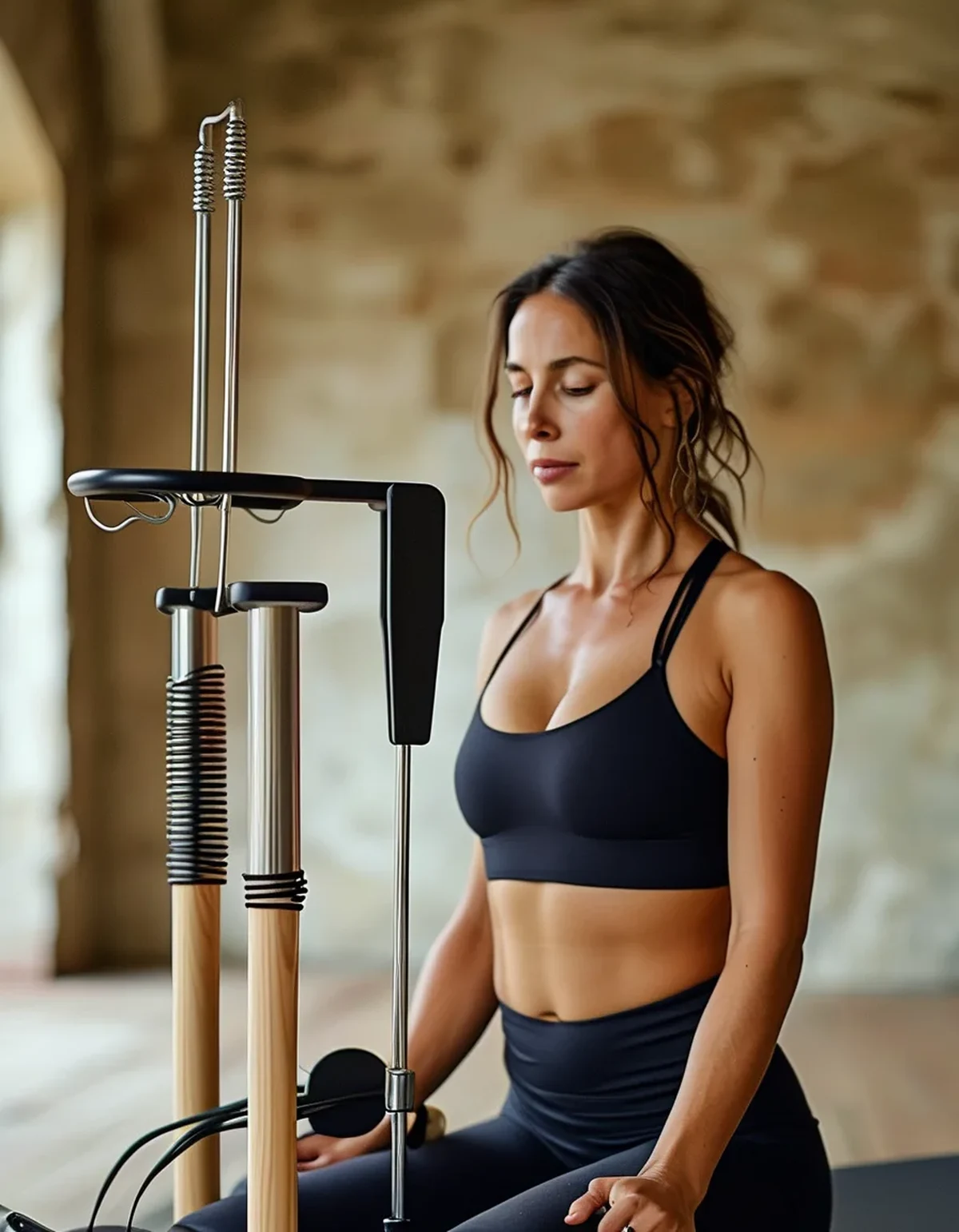
Reformer spring labeling looks standardized because of the consistent color-coding within a single brand, but that consistency doesn’t extend across different manufacturers.
Why hasn’t the Pilates equipment industry adopted a single shared spring numbering or resistance standard?
Reformer manufacturing has historically developed independently across different companies, each designing their own spring systems, resistance calibration, and color-coding conventions without a mandated industry-wide standard requiring alignment. This mirrors how many equipment categories develop brand-specific conventions over time, and by the time reformers became widely popular, each major manufacturer already had an established, internally consistent but mutually different system in place.
Does spring resistance actually vary that significantly between major reformer brands in practice?
Yes, noticeably in many cases — practitioners who train on multiple different reformer brands regularly report needing to adjust their typical spring selection when switching machines, since a resistance level that feels moderate on one brand’s reformer can feel notably lighter or heavier on another’s equivalent-labeled spring. This isn’t a subtle, negligible difference for many combinations of springs and body types.
What’s the most reliable way to select appropriate spring resistance on an unfamiliar reformer brand?
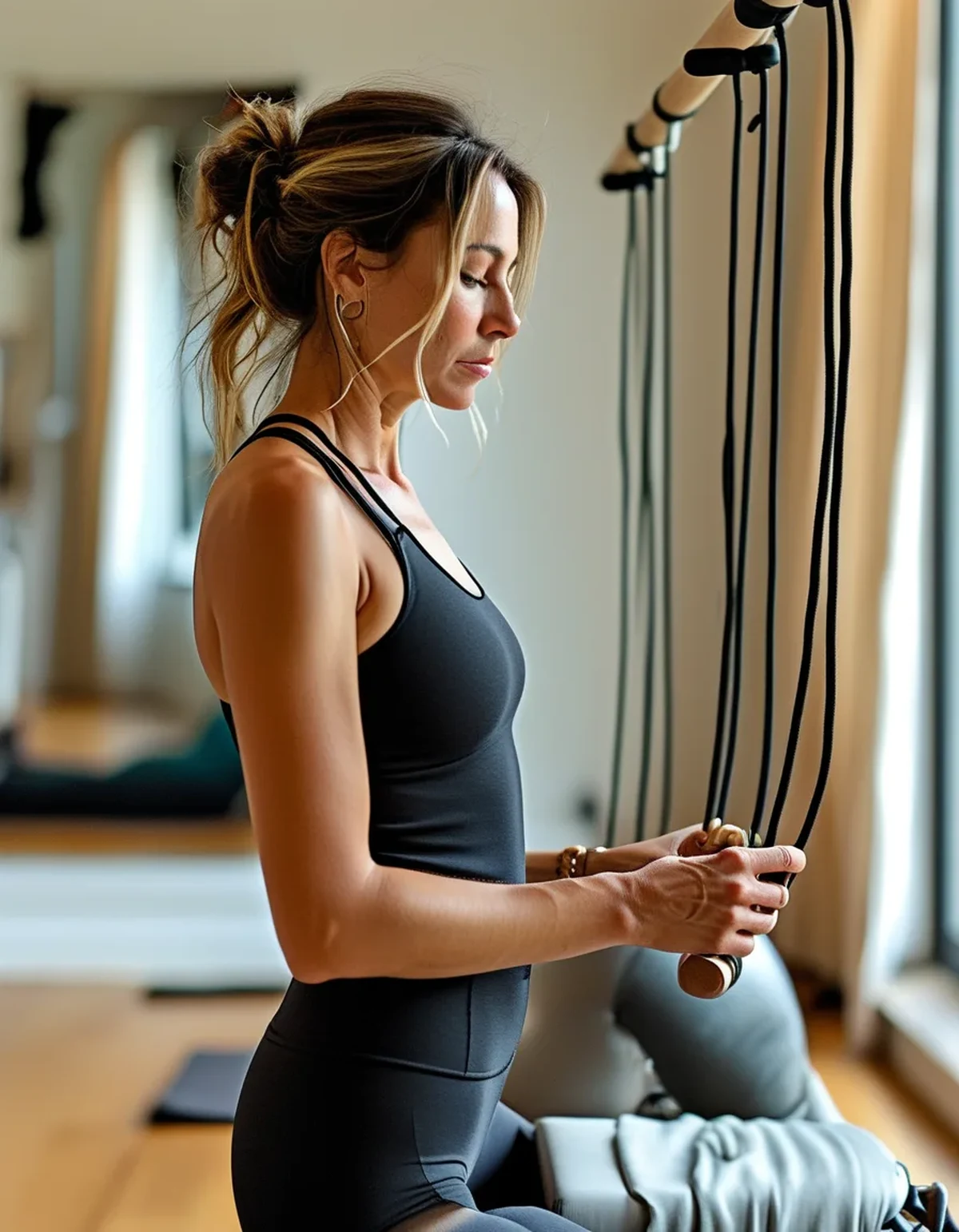
Starting with a lighter spring resistance than usual and adjusting up based on how the exercise actually feels, rather than matching a remembered number or color from a different brand’s machine, is the more reliable approach. Asking the studio instructor for their specific machine’s resistance guidance, since instructors familiar with that particular equipment can offer calibrated advice beyond generic labeling.
Does this inconsistency create any safety concern, or is it mainly just a training-feel adjustment?
It’s mostly a training-feel and effectiveness consideration rather than a significant safety risk for most exercises, though using a spring resistance significantly mismatched to an exercise’s intended difficulty (too heavy for a stability-focused movement, for example) can affect form quality and reduce the exercise’s actual training benefit. Starting conservatively on unfamiliar equipment avoids both the training-quality issue and any modest added strain risk.
Reformer vs Mat Pilates: A Related Consistency Difference
This same brand-to-brand equipment variability is part of why mat-based Pilates, which uses body weight rather than adjustable spring resistance, offers more consistent difficulty from one studio to another — a useful point of comparison for anyone frustrated by reformer resistance inconsistency, since mat work sidesteps the equipment-standardization issue entirely, even though it trains somewhat different aspects of core and full-body control.
FAQ: Reformer Spring Resistance Across Brands, Answered
Are there any reformer brands considered closer to an informal industry reference point than others?
A few long-established, widely used brands are sometimes treated as informal reference points by instructors familiar with multiple systems, though this isn’t an official standard, just accumulated instructor familiarity.
Does spring material or age also affect resistance, separate from the brand’s numbering system itself?
Yes — spring material quality and wear over time can cause resistance to drift somewhat even within the same machine and labeled spring, adding another layer of real-world variability beyond the cross-brand labeling issue.
Is it worth asking a new studio directly about how their spring system compares to a previous studio’s, before a first class?
Yes, this is a reasonable and common question for instructors, who are generally glad to offer specific guidance for anyone transitioning from a different reformer brand or studio.
TL;DR:
- Reformer spring color and number systems are set independently by each manufacturer, without a shared standard
- The same labeled spring resistance can feel meaningfully different across different reformer brands
- Starting lighter and adjusting by feel is more reliable than matching a remembered number from another machine
- Asking instructors for brand-specific guidance helps navigate this inconsistency on unfamiliar equipment
Reformer spring numbers only mean something consistent within a single brand’s system, not across the industry — adjusting expectations, and asking for guidance on unfamiliar machines, keeps training effective despite the inconsistency.
Keep Reading
This article is for general informational and styling purposes only. Fit, sizing, and product availability may vary.