Sore After Your First Reformer Class? Here's Where It Should (and Shouldn't) Hurt
Quick Answer: Deep, dull soreness in the inner thighs, obliques, and deep hip stabilizers 24-48 hours after your first reformer class is completely normal — these muscles rarely get targeted this precisely elsewhere. Sharp joint pain or soreness that worsens past day 3 is not.
Your first reformer class probably didn’t feel that hard in the moment — the springs do a lot of the work, and the pace is controlled. Then the next morning hits, and you’re sore in places you didn’t know you had muscles.
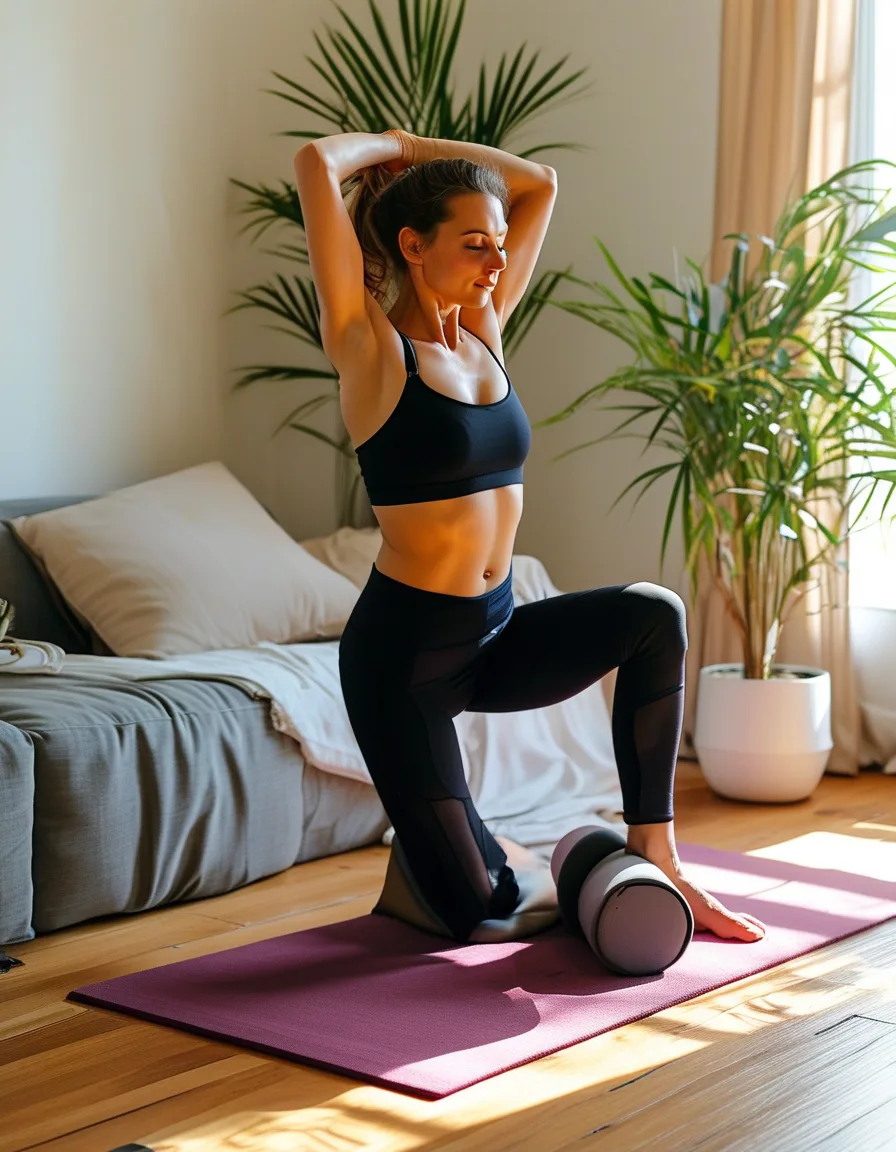
Why does reformer soreness show up in such unexpected places?
Because the reformer’s spring resistance and sliding carriage target small stabilizer muscles that everyday movement and even regular weight training tend to skip — deep hip rotators, transverse abdominis, inner thigh adductors.
These muscles rarely get isolated this precisely elsewhere, so even people who train regularly often feel reformer-specific soreness in their first few classes.
Where is soreness expected, and where isn’t it?
Normal, expected soreness: inner thighs and adductors (from leg-in-straps and footwork series), deep core/obliques (from any exercise involving controlled carriage movement), and the backs of the shoulders (from arm-spring work most people rarely do).
Not expected, worth attention: sharp pain in a specific joint (knee, lower back, shoulder) during or immediately after class, or any pain that’s worse on day 3 than day 1 — soreness should peak around 24-48 hours then fade, not build.
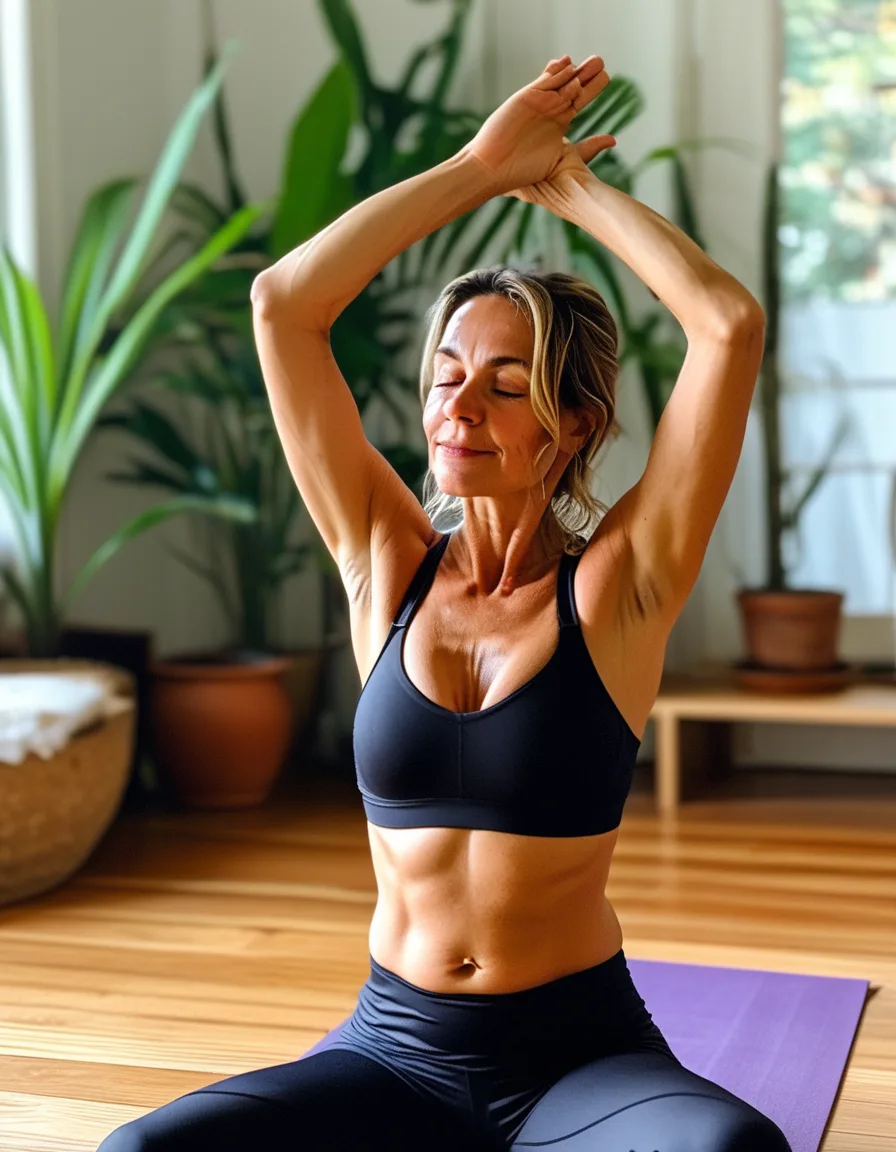
What Nobody Tells You About Reformer Soreness
Here’s the part instructors rarely mention: the exercises that felt easiest in class are often the ones you’ll feel most the next day. Slow, controlled eccentric movement (lengthening a muscle under tension, like slowly letting the carriage return) creates more microtrauma than movements that feel harder in the moment but are more explosive.
So if you left class thinking “that footwork series felt too easy,” don’t be surprised when it’s the sorest spot on day two — controlled resistance is deceptively effective.
How is reformer soreness different from soreness after regular strength training?
It tends to be more diffuse and less localized — instead of one clearly worked muscle group, you often feel a wide band of mild soreness across the core, hips, and inner thighs simultaneously, because reformer work constantly engages stabilizers alongside the primary mover.
It also tends to fade a bit faster for experienced exercisers once their body adapts — most people report noticeably less soreness by their third or fourth class.
FAQ: Reformer Pilates Soreness Questions, Answered
Is it normal to be sore for multiple days after reformer pilates?
Some soreness lasting 2-3 days is common, especially for a first class. Soreness that’s still worsening after day 3, or lasts more than 5 days, is worth mentioning to your instructor.
Should I stretch or take a rest day if I’m sore from reformer?
Light movement and gentle stretching typically help more than complete rest — walking or a light yoga flow can ease reformer soreness faster than sitting still.
How soon can I take another reformer class if I’m still sore?
Mild-to-moderate soreness isn’t a reason to skip — many studios recommend classes 2-3 times a week specifically because moderate, controlled movement helps recovery. Skip only if pain is sharp or joint-specific.
TL;DR:
- Inner thighs, obliques, and deep hip stabilizers being sore 24-48 hours later is completely normal
- Sharp joint pain or soreness worsening past day 3 is not normal — flag it
- The ‘easy-feeling’ exercises in class are often the soreness surprise the next day
- Light movement helps more than rest; soreness typically fades noticeably by class 3-4
Expect the surprise soreness map once — after that, your body adapts fast.
Keep Reading
This article is for general informational and styling purposes only. Fit, sizing, and product availability may vary.